Start with clearance
Measure the space people need to sit, stand and walk around the table. In dining rooms this includes chairs pulled back; in living rooms it includes comfortable reach from seating without creating a tight passage.
Use shape to solve the plan
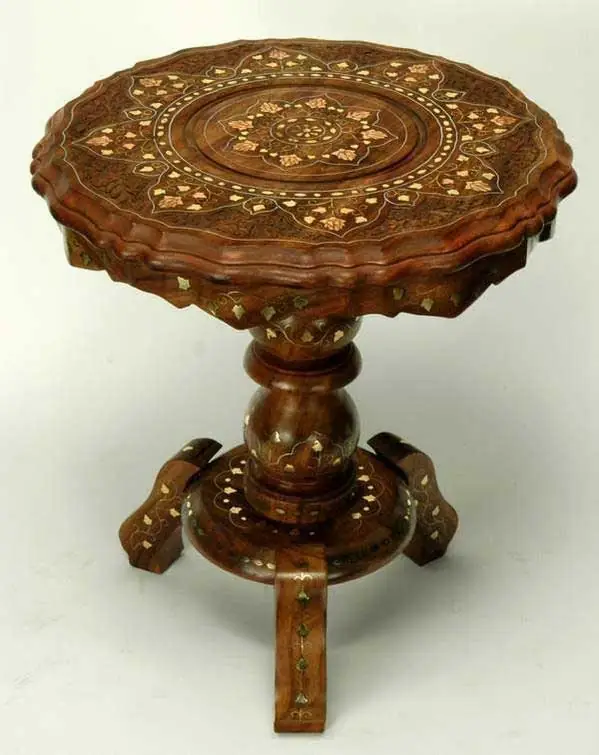
Round tables soften square spaces and make conversation easier, while rectangular tables fit long rooms efficiently. Oval forms can combine generous seating with gentler circulation at the corners.
Match height to adjacent furniture
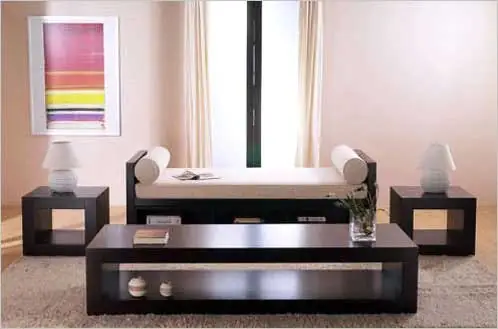
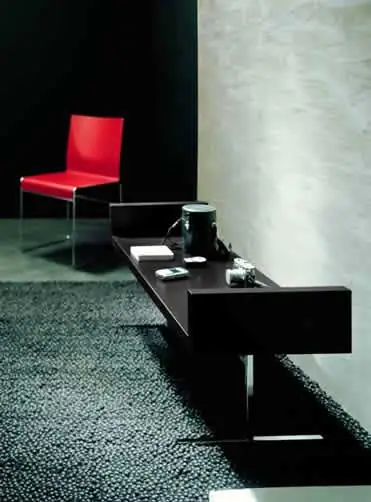
Coffee and side tables should relate to seat height and arm height. Consoles need to work with the wall, sofa or entry they serve rather than being selected in isolation.
Choose surfaces for real use
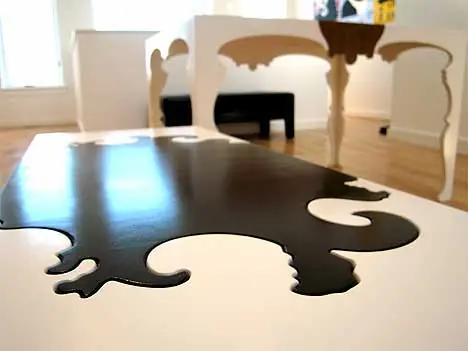
Stone, timber, glass and laminate each respond differently to heat, moisture, scratches and maintenance. A heavily used family table needs a different tolerance than a decorative occasional table.
Think about bases, knees and chair movement
Table dimensions alone do not tell you how comfortable a table will be. Pedestal bases can free up corners but may reduce foot room in the centre, while four-leg designs can interfere with chairs if the legs are inset poorly. Sit at the table before buying when possible and check whether knees, chair arms and table supports compete for the same space.
For extendable tables, measure the room with the extension in place and confirm where extra leaves are stored. The occasional larger configuration still needs workable circulation.
How to use inspiration images
Save images for a specific reason rather than only because you like the overall room. Notice the proportion of furniture, the amount of contrast, the placement of lighting and how much open space is left around objects. Those relationships transfer more reliably to another home than copying individual products.
Before buying anything, compare the idea with your own dimensions, daylight and routines. Decoration becomes more coherent when every new piece solves an actual need or reinforces an existing visual direction.