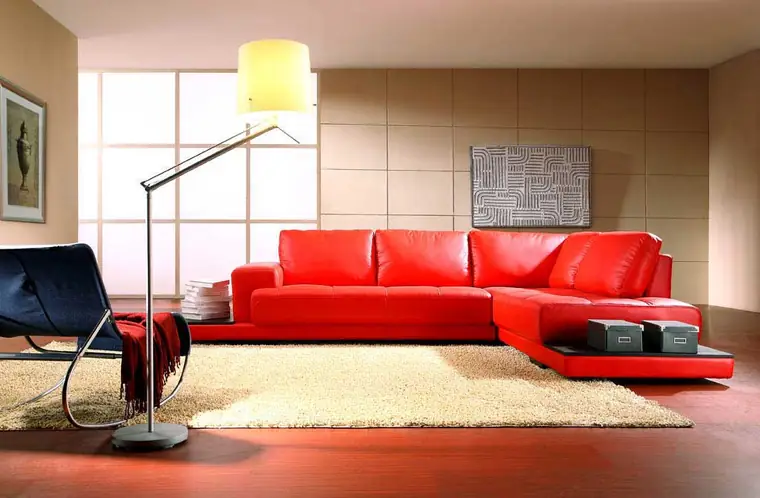
Arrange for conversation first
Sofas and chairs should relate to one another rather than all facing the perimeter. Bring seating close enough for conversation and keep clear routes through the room so circulation does not cut directly through the main grouping.
Use the rug to unify the plan
A rug that is too small can make furniture look disconnected. In most living rooms, at least the front legs of the main seating should sit on the rug. The pattern and colour can then guide cushions, art and smaller accents.
Create more than one light level
Combine ceiling or architectural light with table and floor lamps. Different sources make the room flexible and prevent the flat, overlit feeling that comes from relying on a single bright fixture.
Balance display with blank space
Books, ceramics, art and collected objects give a room character, but they need visual pauses. Group objects intentionally and leave some tabletops and shelving open so important pieces are easier to notice.
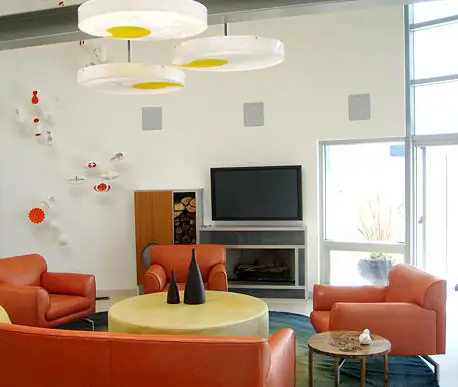
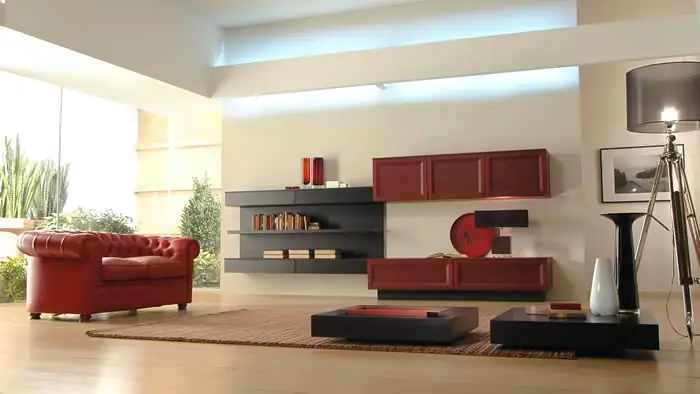
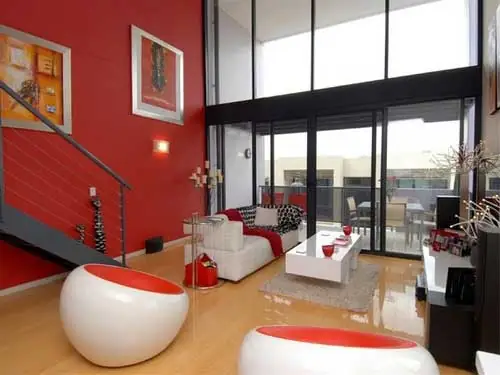
Arrange seating for conversation before styling surfaces
A living room usually feels better when people can talk without turning chairs awkwardly or shouting across the room. Establish the main seating relationship first, then place coffee tables, lamps and side tables within comfortable reach. Television placement matters, but it does not have to control every seat if the room also supports reading, conversation or entertaining.
Once the layout works, use rugs and lighting to define the gathering zone. Accessories should reinforce that structure rather than compensate for furniture that is too far apart.
How to use inspiration images
Save images for a specific reason rather than only because you like the overall room. Notice the proportion of furniture, the amount of contrast, the placement of lighting and how much open space is left around objects. Those relationships transfer more reliably to another home than copying individual products.
Before buying anything, compare the idea with your own dimensions, daylight and routines. Decoration becomes more coherent when every new piece solves an actual need or reinforces an existing visual direction.