
Measure the room before choosing size
A larger mattress is not automatically better if it leaves narrow passages or blocks storage. Mark the mattress footprint on the floor and include the frame, nightstands and door swings in the calculation.
Match mattress height to the frame
Deep mattresses can overwhelm low platform beds or make tall frames uncomfortably high. Check the combined height of foundation, mattress and frame before buying bedding or bedside furniture.
Use the headboard to establish character
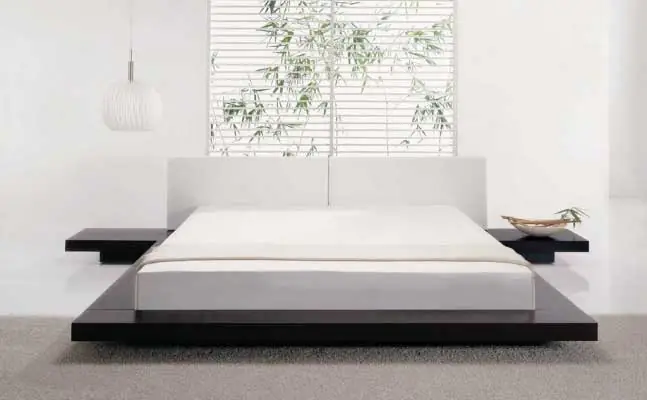
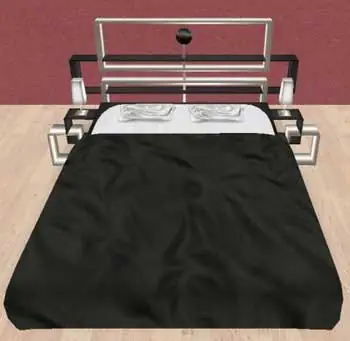
Upholstered, timber, metal and integrated headboards each change the room differently. The headboard can introduce softness, architecture or material contrast without adding extra decorative furniture.
Plan access and maintenance
Allow room to make the bed, rotate the mattress where recommended and clean around the frame. Beautiful bedrooms are easier to sustain when ordinary maintenance was considered from the beginning.

Test comfort in the position you actually sleep
Mattress labels such as firm, plush or medium are not standardized enough to replace testing. Spend time in your normal sleeping position and consider how the mattress supports shoulders, hips and lower back. Couples should also think about motion transfer, edge support and whether different comfort preferences require a split or zoned solution.
Measure stairways, elevators and tight corners before ordering a large mattress or upholstered frame. Delivery constraints can matter as much as bedroom dimensions, especially in condos and older homes.
How to use inspiration images
Save images for a specific reason rather than only because you like the overall room. Notice the proportion of furniture, the amount of contrast, the placement of lighting and how much open space is left around objects. Those relationships transfer more reliably to another home than copying individual products.
Before buying anything, compare the idea with your own dimensions, daylight and routines. Decoration becomes more coherent when every new piece solves an actual need or reinforces an existing visual direction.