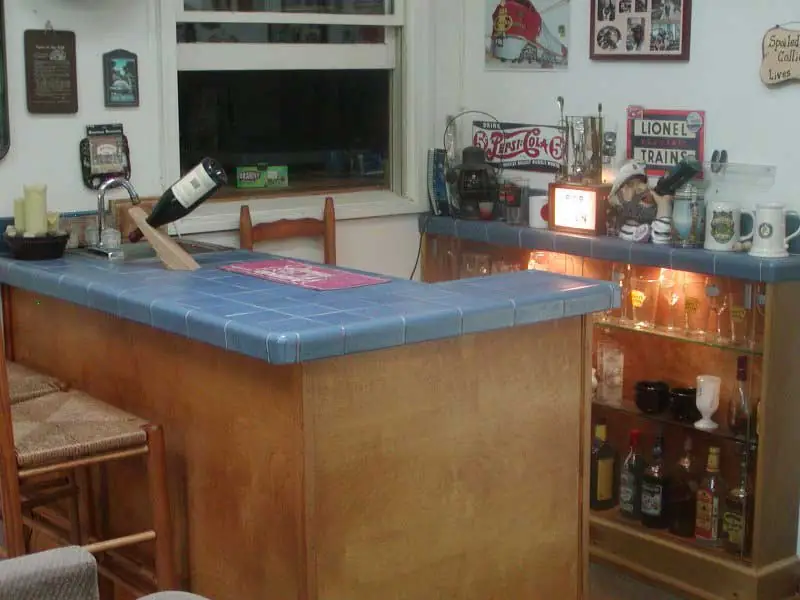
Decide between wet and dry
A wet bar adds a sink and plumbing, while a dry bar can fit into far more locations. If drinks are prepared occasionally, storage and a durable counter may provide more value than a permanent plumbing project.
Plan storage by what you serve
Glassware, bottles, tools, napkins and serving pieces all need different dimensions. Inventory what you own before designing shelves or cabinets so the bar does not become a collection of awkward gaps.
Use lighting to create atmosphere
Under-shelf or cabinet lighting can make a compact bar feel special without brightening the entire room. Choose warm, dimmable light and keep glare away from glass fronts.
Let the bar close down visually
In multipurpose rooms, doors or a contained cabinet can hide bottles and tools when they are not in use. This keeps the surrounding living space from feeling permanently set up for entertaining.
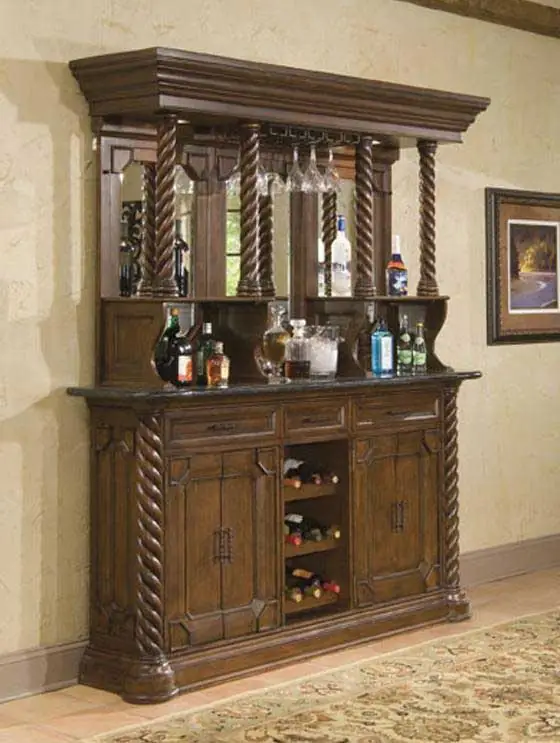
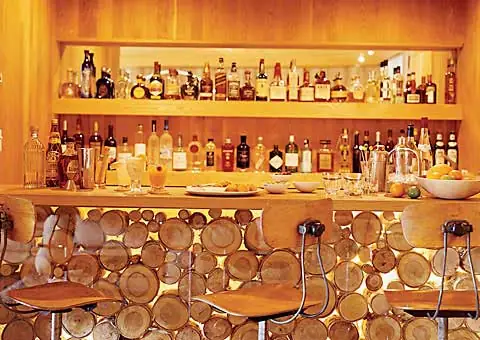
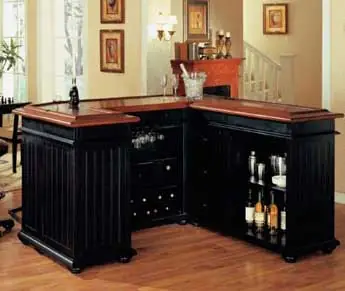
Plan storage around what you actually serve
A useful home bar does not need to imitate a commercial setup. Wine, spirits, glassware, coffee equipment and non-alcoholic drinks each need different storage conditions and access. Group the items used together, protect bottles from excessive heat and direct sunlight, and make sure fragile stemware can be reached without moving other objects.
If entertaining is occasional, a cabinet or console may work better than built-in cabinetry. Flexible furniture preserves floor space while still creating a dedicated serving zone when guests arrive.
How to use inspiration images
Save images for a specific reason rather than only because you like the overall room. Notice the proportion of furniture, the amount of contrast, the placement of lighting and how much open space is left around objects. Those relationships transfer more reliably to another home than copying individual products.
Before buying anything, compare the idea with your own dimensions, daylight and routines. Decoration becomes more coherent when every new piece solves an actual need or reinforces an existing visual direction.