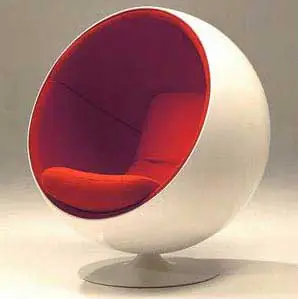
Prioritize silhouette and proportion
Modern pieces often rely on simple geometry, which makes scale especially visible. Check seat depth, arm height and overall footprint instead of judging a sofa or chair only by its photograph.
Mix eras carefully
A vintage timber cabinet, handmade rug or sculptural lamp can keep a modern room from feeling like a catalog. One contrasting piece is often stronger than trying to make every item belong to the same collection.
Use texture to soften clean lines
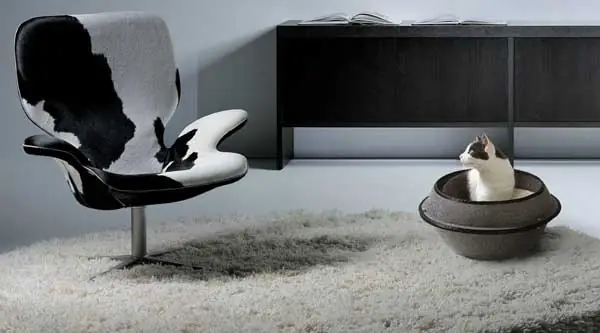
Bouclé, wool, linen, wood grain and textured rugs introduce visual warmth without adding ornamental detail. This is useful in minimalist rooms where colour is intentionally restrained.
Leave space around statement pieces
Sculptural furniture needs room to be seen. Avoid filling every corner simply because floor area is available. Negative space is part of the composition.
Look beyond labels such as modern or contemporary
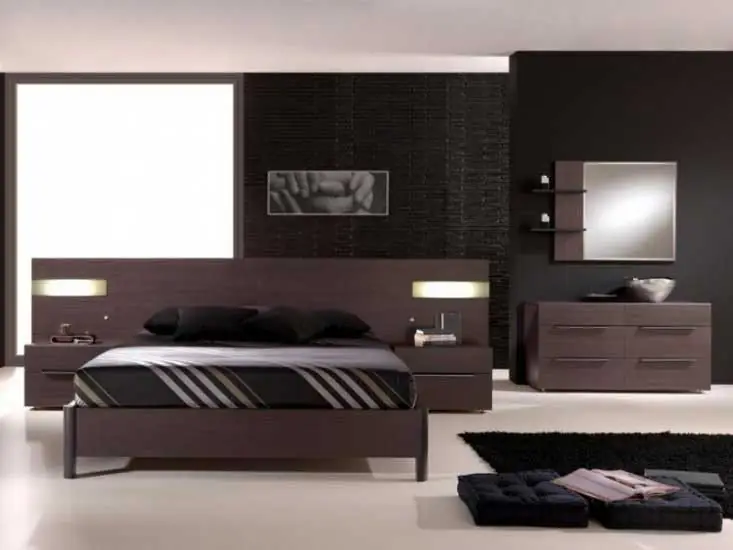
Retail categories can hide meaningful differences in construction and proportion. Compare frame materials, joinery, upholstery, drawer hardware and finish quality instead of choosing only by silhouette. A simple piece with good proportions often integrates more easily than an aggressively styled item marketed as modern.
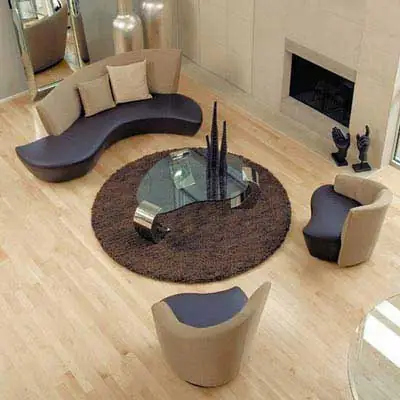
Measure doorways and circulation routes before ordering oversized sofas, tables or sectionals. Clean-lined furniture can still dominate a room when its actual footprint is too large.
How to use inspiration images
Save images for a specific reason rather than only because you like the overall room. Notice the proportion of furniture, the amount of contrast, the placement of lighting and how much open space is left around objects. Those relationships transfer more reliably to another home than copying individual products.
Before buying anything, compare the idea with your own dimensions, daylight and routines. Decoration becomes more coherent when every new piece solves an actual need or reinforces an existing visual direction.