Keep the counter hierarchy clear
Reserve prime counter space for items used every day. Less frequent appliances can move into cabinets or appliance garages. A clear work surface makes even an ordinary kitchen look more intentional.
Use containers consistently
Decanting everything is not necessary, but a small family of jars, crocks or trays can organize loose items. Repetition in material or colour creates order without making the kitchen feel staged.
Choose textiles for use
Tea towels, runners, stools and seat cushions are easy ways to introduce colour and pattern. Select washable materials near cooking and sink areas, and avoid delicate fabrics where stains are inevitable.
Display what is attractive and useful
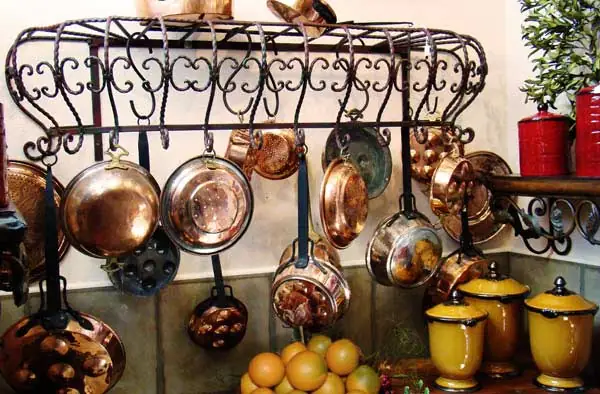
Wood boards, copper pans or handmade ceramics can become decoration because they already belong in the kitchen. The best displays are composed of objects that still get used.
Buy fewer tools that earn their counter space
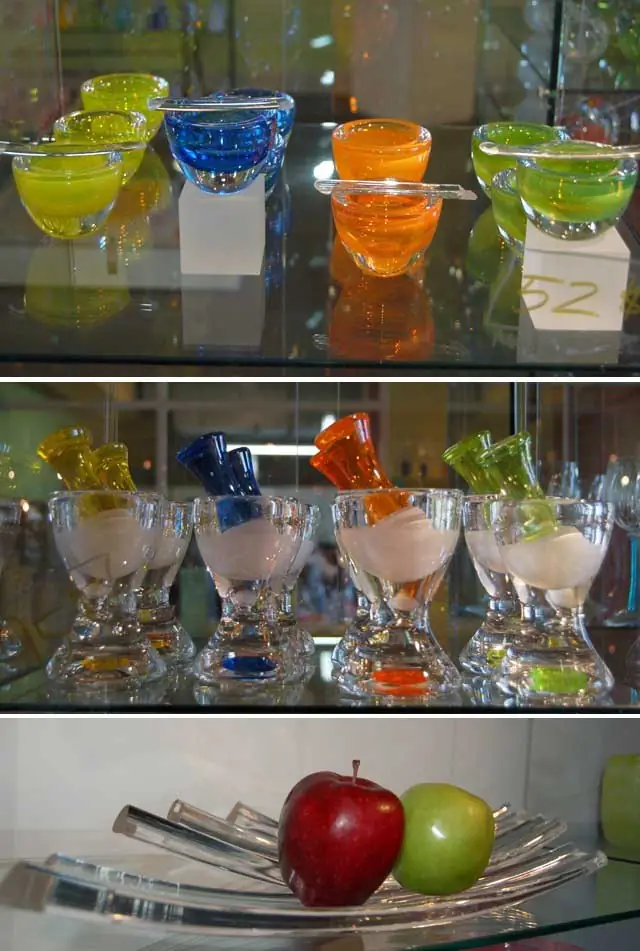
Accessories are easiest to justify when they solve a repeated task. Before adding another appliance, tray or container set, ask how often it will be used and where it will live. Items used daily deserve the most convenient locations; occasional tools usually belong in drawers or cabinets rather than permanently occupying the work surface.
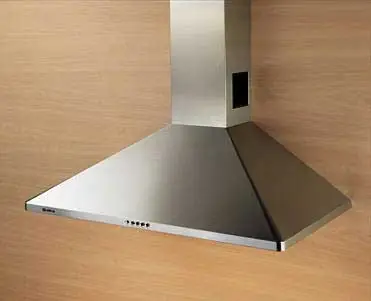
Keep finishes coordinated loosely rather than matching every object. Repeating two or three materials, such as wood, stainless steel and ceramic, creates cohesion while allowing practical pieces from different sources to coexist.
How to use inspiration images
Save images for a specific reason rather than only because you like the overall room. Notice the proportion of furniture, the amount of contrast, the placement of lighting and how much open space is left around objects. Those relationships transfer more reliably to another home than copying individual products.
Before buying anything, compare the idea with your own dimensions, daylight and routines. Decoration becomes more coherent when every new piece solves an actual need or reinforces an existing visual direction.