
Start with the bed, not the accessories
The bed is usually the visual anchor, so its scale and position should establish the room before smaller decorative choices begin. A headboard can create architecture where none exists, while bedside tables and lamps should feel proportional rather than perfectly matched. Keep the strongest visual weight around the bed and let the remaining walls breathe.
Use colour to control energy
Muted greens, warm neutrals, clay tones and soft blues can make a bedroom feel settled, but the exact palette matters less than contrast. If walls are quiet, textiles can carry pattern. If the bed is highly patterned, repeat only one or two colours elsewhere so the room does not become visually noisy.
Layer lighting for real routines
One overhead fixture rarely does enough. Combine ambient light with bedside task lighting and a softer source near a dresser or reading chair. Warm bulbs and shaded fixtures reduce glare at night, while daylight should be easy to control with curtains or blinds.
Finish with texture and restraint
Bedding, rugs, throws and upholstered pieces add softness, but every surface does not need decoration. Leave useful negative space on nightstands and dressers. A bedroom feels more luxurious when objects look intentional rather than accumulated.
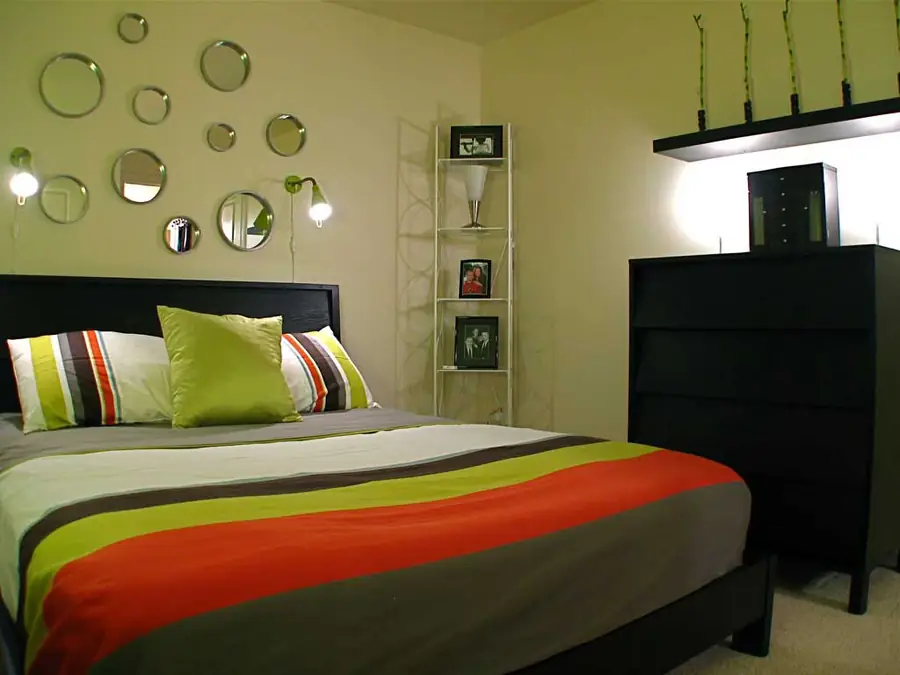
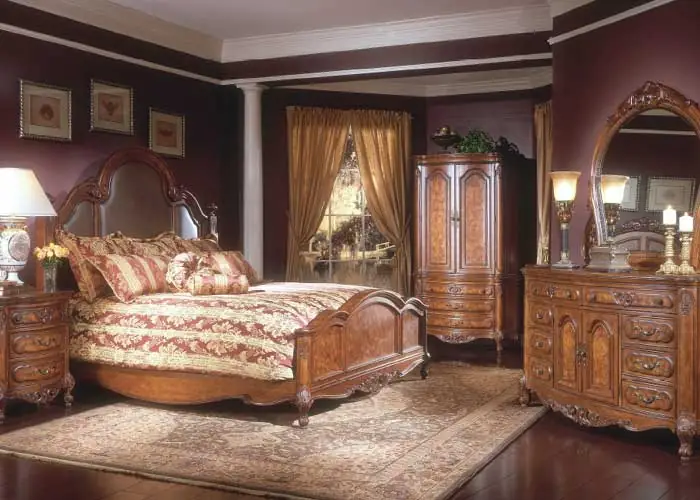
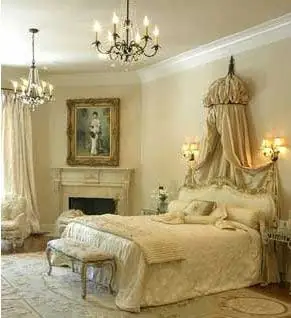
How to use inspiration images
Save images for a specific reason rather than only because you like the overall room. Notice the proportion of furniture, the amount of contrast, the placement of lighting and how much open space is left around objects. Those relationships transfer more reliably to another home than copying individual products.
Before buying anything, compare the idea with your own dimensions, daylight and routines. Decoration becomes more coherent when every new piece solves an actual need or reinforces an existing visual direction.