Let the fixed finishes lead
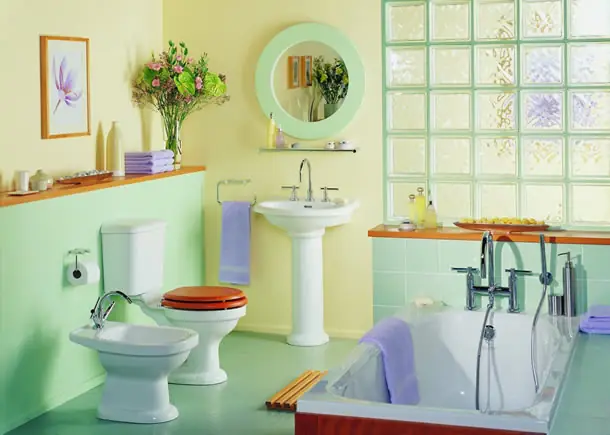
Tile, vanity finish, countertop and plumbing fixtures occupy most of the visual field. Choose a restrained palette for these long-life elements, then use towels, art and accessories for colour that can evolve.
Make the mirror work harder
A mirror can visually expand a small bathroom, reflect natural light and establish symmetry around a vanity. Oversized mirrors feel modern and practical, while framed mirrors can add furniture-like detail.
Control visual clutter
Daily toiletries can overwhelm even an expensive bathroom. Use drawers, mirrored cabinets, trays and baskets to keep practical items accessible without covering every horizontal surface.
Add warmth where moisture allows
Wood tones, woven baskets, framed artwork and plants can soften hard tile and stone. Select materials that tolerate humidity and avoid placing delicate pieces where they will receive direct water.
Plan around moisture, cleaning and daily routines
Decorative choices in a bathroom have to survive humidity, splashes and frequent cleaning. Keep absorbent materials away from wet zones, choose hardware finishes that tolerate the products you actually use, and leave enough clear surface around sinks for daily routines. A beautiful bathroom that is difficult to wipe down or constantly feels crowded will age badly.
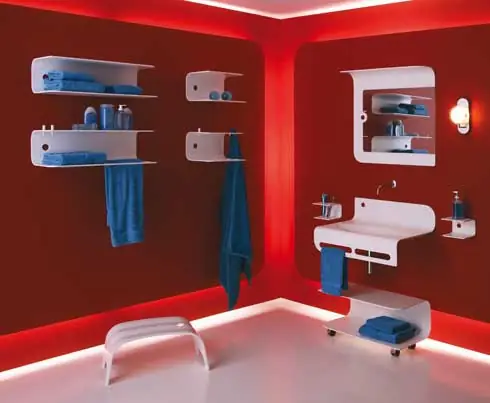
Before adding trays, plants or display objects, identify what needs to stay within reach every day. Concealed storage is most useful for visual clutter, while one or two open shelves can carry towels, fragrance or objects that genuinely improve the room.
How to use inspiration images
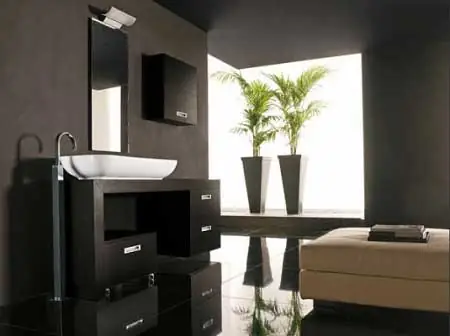
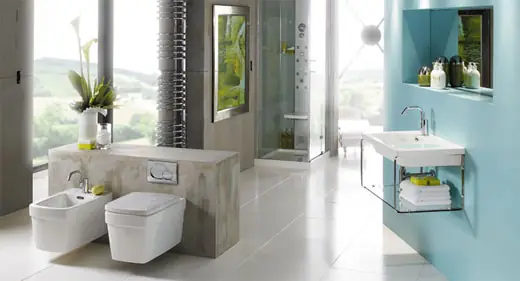
Save images for a specific reason rather than only because you like the overall room. Notice the proportion of furniture, the amount of contrast, the placement of lighting and how much open space is left around objects. Those relationships transfer more reliably to another home than copying individual products.
Before buying anything, compare the idea with your own dimensions, daylight and routines. Decoration becomes more coherent when every new piece solves an actual need or reinforces an existing visual direction.