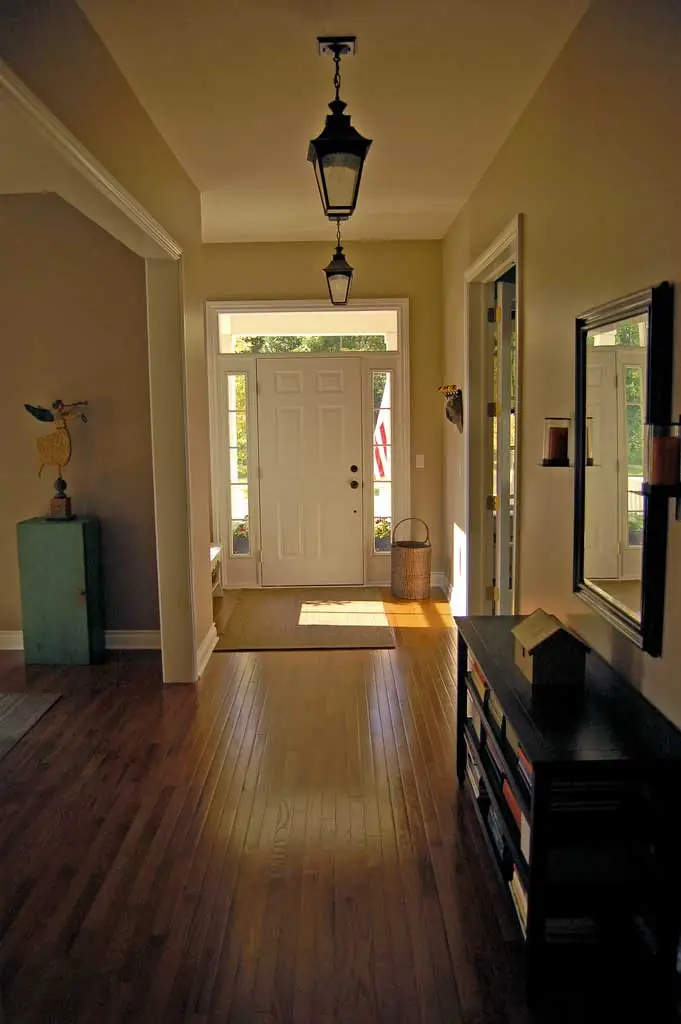
Protect the path of travel
A narrow hall needs less furniture than a wide entry. Measure the clear walking path before adding consoles, benches or baskets. The right piece should make the space more useful without creating an obstacle.
Use mirrors and art to create rhythm
A mirror near an entry can add light and function. Along a longer hallway, repeat frames or use one oversized work instead of scattering many small pieces without alignment.
Light the length of the space
Hallways often lack daylight. Repeated ceiling fixtures, wall sconces or a pendant at the end of the view can make the route feel deliberate and remove dark pockets.
Give the entry a landing place
Hooks, a tray, a slim console or a closed shoe cabinet can absorb the objects that arrive with people. When the storage is planned, the decorative surfaces stay calmer.
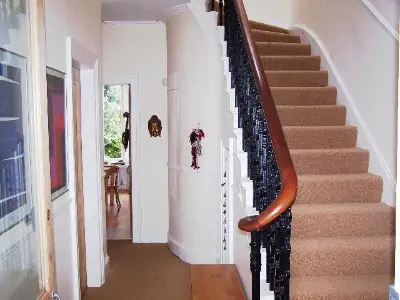
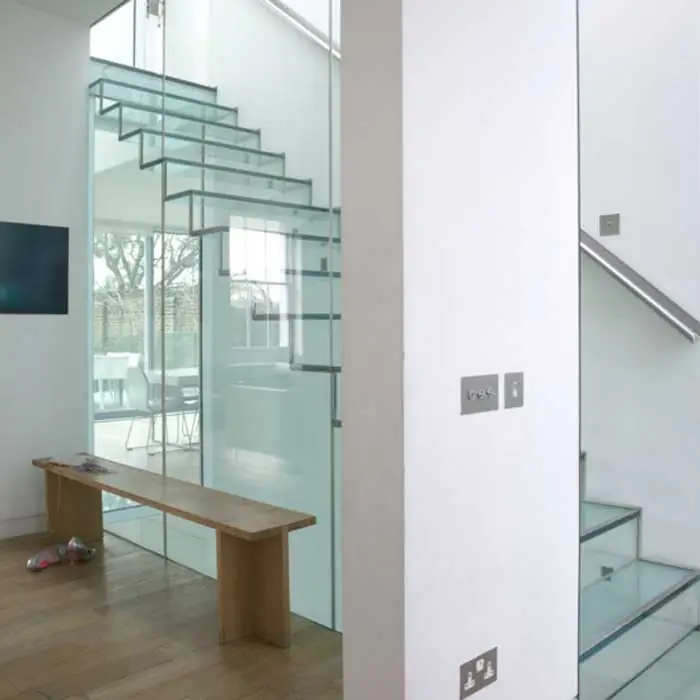
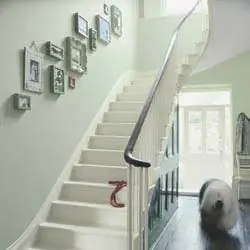
Keep circulation visually and physically clear
Hallways are experienced in motion, so decoration should support the path rather than compete with it. Slim consoles, shallow ledges and wall-mounted lighting work better than deep furniture where passage width is limited. In narrow spaces, repeat a small number of materials or frame styles to create rhythm without adding clutter.
Use mirrors where they reflect light or a worthwhile view. A mirror placed only to fill a blank wall can amplify visual noise from adjacent rooms instead of making the corridor feel larger.
How to use inspiration images
Save images for a specific reason rather than only because you like the overall room. Notice the proportion of furniture, the amount of contrast, the placement of lighting and how much open space is left around objects. Those relationships transfer more reliably to another home than copying individual products.
Before buying anything, compare the idea with your own dimensions, daylight and routines. Decoration becomes more coherent when every new piece solves an actual need or reinforces an existing visual direction.