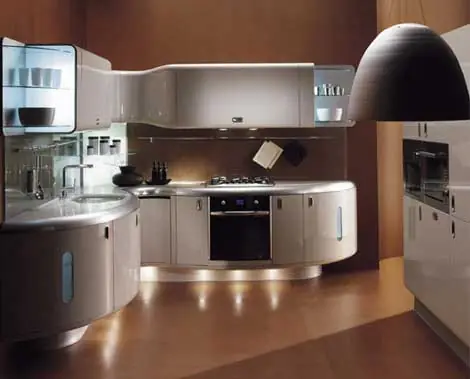
Decorate around the work zones
The sink, cooking area and refrigerator already define much of the kitchen. Decorative choices should support those zones rather than interrupt them. Keep frequently used tools close to where they are needed and reserve open shelves for objects that can tolerate grease, steam and regular cleaning.
Choose one visual direction
Cabinet colour, counters, backsplash and flooring create the dominant visual field. Introduce a clear material story, such as pale oak with warm stone or dark cabinetry with restrained metal accents, instead of adding unrelated trends one at a time.
Treat lighting as part of the design
Task lighting under cabinets changes how useful counters feel, while pendants can define an island or dining edge. Decorative fixtures should illuminate the surface below them, not simply hang at eye level as ornaments.
Use open display selectively
A few ceramics, cookbooks, plants or boards can make a kitchen feel lived in. Too much display creates visual clutter and increases cleaning. Group similar objects and leave some shelves partially empty.
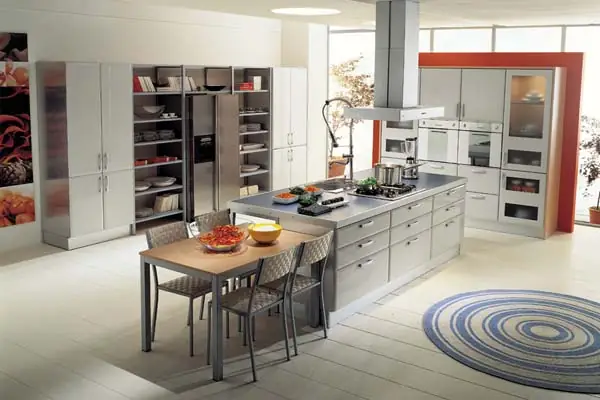
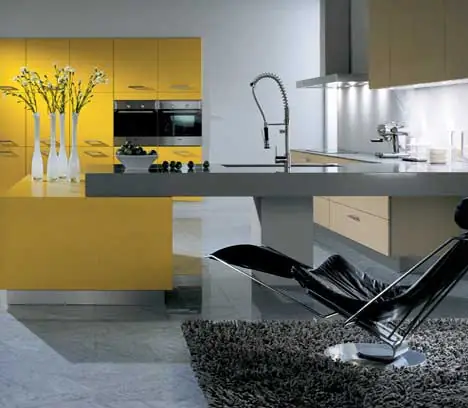
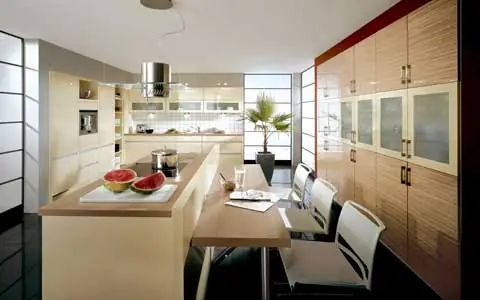
Use decorative changes that respect the work zones
The strongest kitchen updates improve atmosphere without interfering with preparation, cooking or cleanup. Artwork, runners, stools and pendant lighting can add personality, but keep combustible or difficult-to-clean materials away from ranges and heavy splash areas. Open shelves work best when the objects stored there are both attractive and frequently used.
When changing hardware or lighting, test samples against the existing counters, cabinets and flooring. Undertones that appear neutral in a showroom can look noticeably warm or cool once they are surrounded by permanent finishes.
How to use inspiration images
Save images for a specific reason rather than only because you like the overall room. Notice the proportion of furniture, the amount of contrast, the placement of lighting and how much open space is left around objects. Those relationships transfer more reliably to another home than copying individual products.
Before buying anything, compare the idea with your own dimensions, daylight and routines. Decoration becomes more coherent when every new piece solves an actual need or reinforces an existing visual direction.