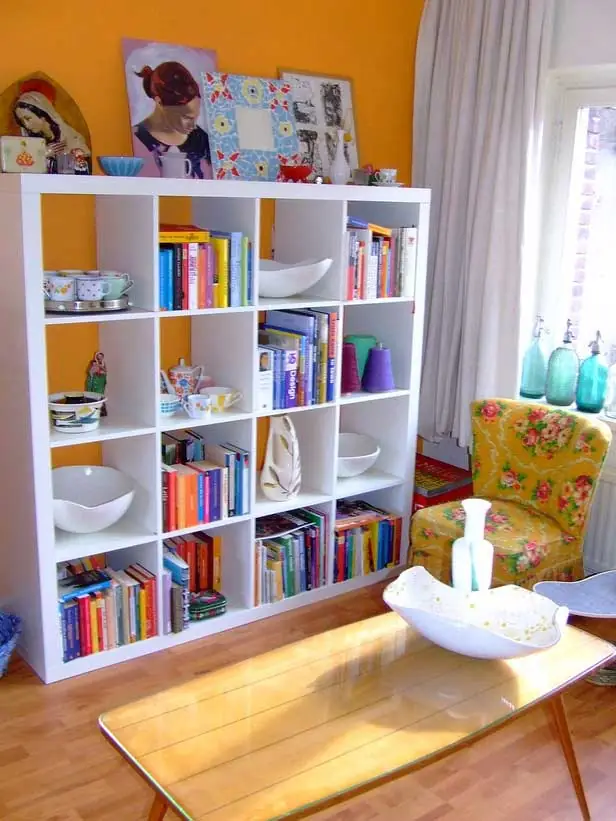
Choose the right storage density
Books can fill shelves tightly, while decorative objects need more breathing room. If the unit must hold many practical items, mix closed cabinets with open shelves so visual clutter can be controlled.
Vary height and orientation
Rows of books can be broken with horizontal stacks, boxes or objects, but variation should serve organization rather than decoration alone. Keep frequently used material easy to reach.
Anchor freestanding units safely
Tall shelves should be secured where appropriate, especially in homes with children or in seismic regions. Stability is part of good furniture planning, not an afterthought.
Light display shelves selectively
Integrated or nearby lighting can emphasize objects and make deep shelving feel less heavy. Avoid creating glare on framed art, glass or glossy book jackets.
Decide what the shelves need to carry
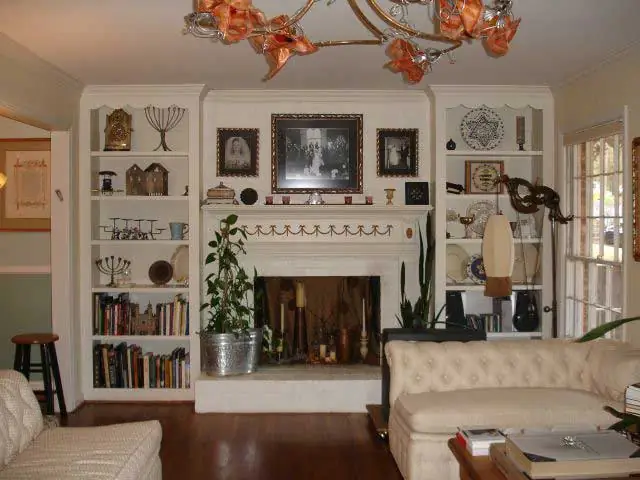
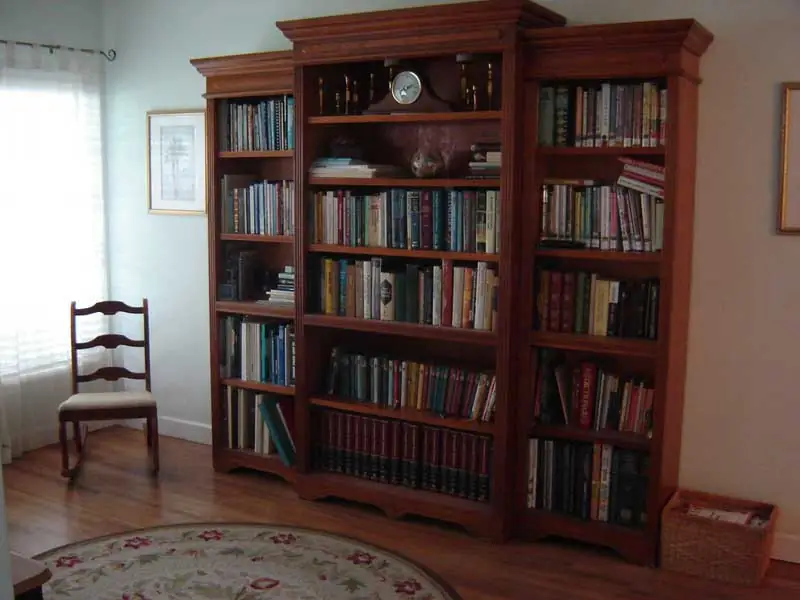
Books, ceramics, records, baskets and framed objects place very different demands on shelving. Heavy books need short, well-supported spans; display shelves can be shallower; record collections need enough depth and vertical clearance to avoid damage. Matching shelf dimensions to the contents prevents a unit from looking bulky without being useful.
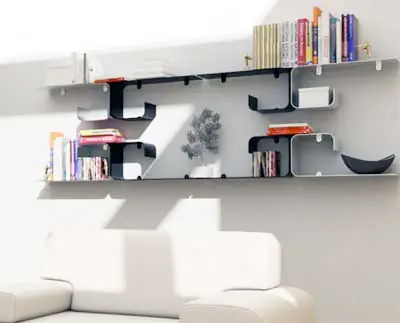
Leave some open space rather than filling every compartment. Negative space gives important objects room to register and makes a large storage wall feel intentional instead of congested.
How to use inspiration images
Save images for a specific reason rather than only because you like the overall room. Notice the proportion of furniture, the amount of contrast, the placement of lighting and how much open space is left around objects. Those relationships transfer more reliably to another home than copying individual products.
Before buying anything, compare the idea with your own dimensions, daylight and routines. Decoration becomes more coherent when every new piece solves an actual need or reinforces an existing visual direction.