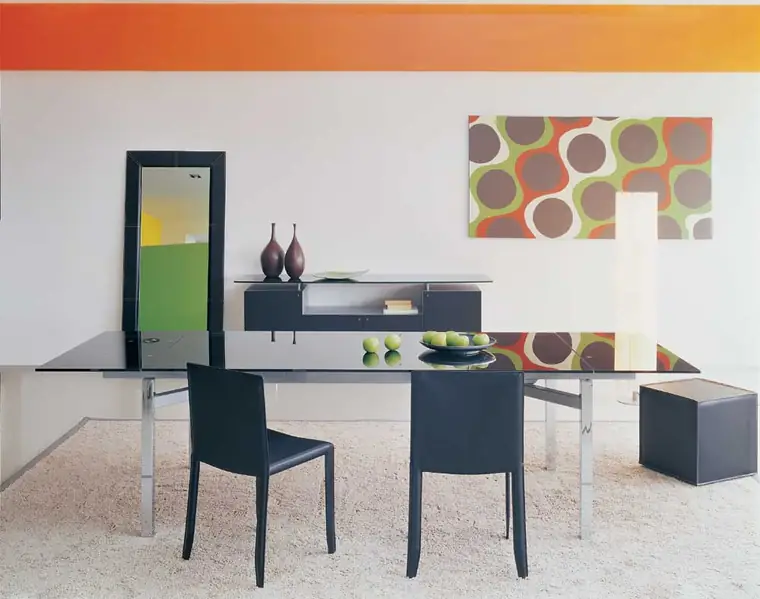
Size the table to the room
Leave enough space to pull out chairs and walk behind seated guests. An oversized table can make a dining room feel cramped, while a table that is too small can look lost. Extendable designs are useful when guest counts change.
Center the lighting on the table
A pendant or chandelier should relate to the table rather than simply the ceiling. Hang it low enough to create intimacy but high enough to preserve sightlines across the table.
Keep centrepieces conversation-friendly
Flowers, candles and decorative bowls work best when they do not block faces. Use lower arrangements for long meals and move larger statement pieces to a sideboard or console.
Use the room between gatherings
A dining room that is used only a few times a year can become dead space. Flexible storage, a reading corner or a table that also supports projects can keep the room active without compromising its main purpose.
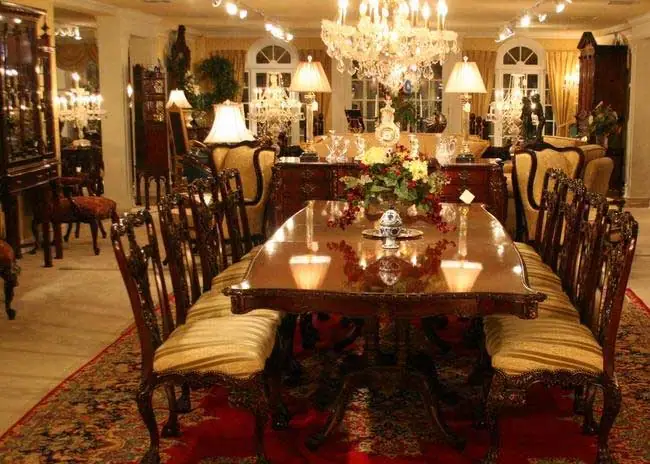
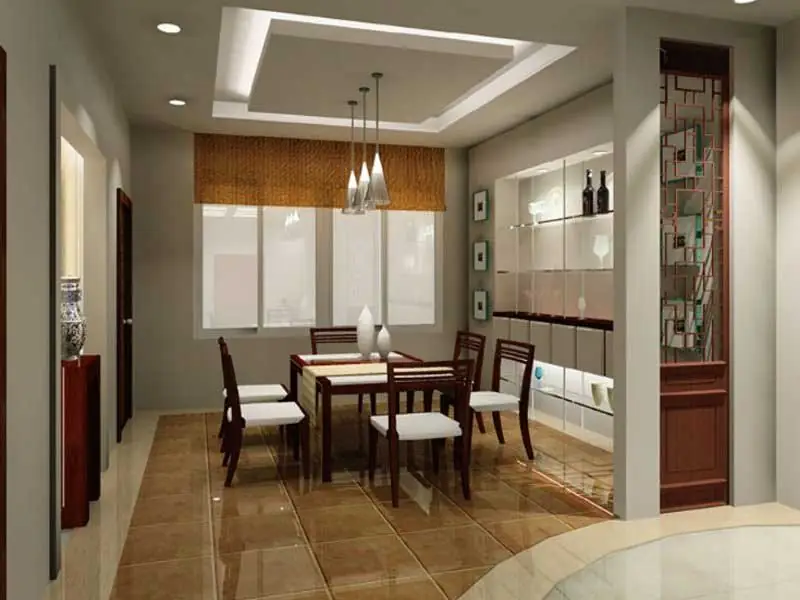
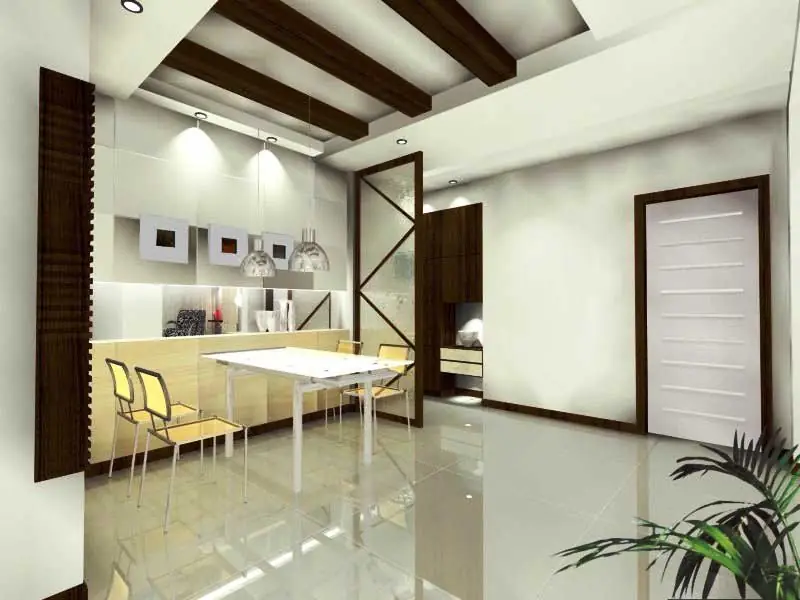
Design for the number of people you host most often
Do not let the largest dinner of the year dictate the room every day. A table that comfortably serves the household, with an extension leaf or occasional extra seating, often creates better circulation than a permanently oversized setup. Check chair clearance when the table is occupied, not only when every chair is pushed in.
If the room doubles as homework, work or buffet space, plan lighting and nearby storage for those uses so the dining area can change roles without looking improvised.
How to use inspiration images
Save images for a specific reason rather than only because you like the overall room. Notice the proportion of furniture, the amount of contrast, the placement of lighting and how much open space is left around objects. Those relationships transfer more reliably to another home than copying individual products.
Before buying anything, compare the idea with your own dimensions, daylight and routines. Decoration becomes more coherent when every new piece solves an actual need or reinforces an existing visual direction.