
Start with the practical layer
Sheets should be chosen for comfort, care and climate first. Once the foundation works, the duvet or coverlet can carry the visible colour and pattern without making the bed difficult to maintain.
Vary texture, not every colour
Linen, cotton, quilting, velvet and knit surfaces can create richness inside a restrained palette. When many textures are used, repeating a few colours keeps the bed from looking chaotic.
Use pillows with a purpose
Decorative pillows can establish proportion, but too many become a daily chore. A small set that can be moved easily is more useful than a deep stack that spends every night on the floor.
Adjust layers seasonally
A lighter coverlet may be enough in warm months, while winter can add a duvet and throw. Seasonal layering changes comfort and appearance without replacing the entire room scheme.

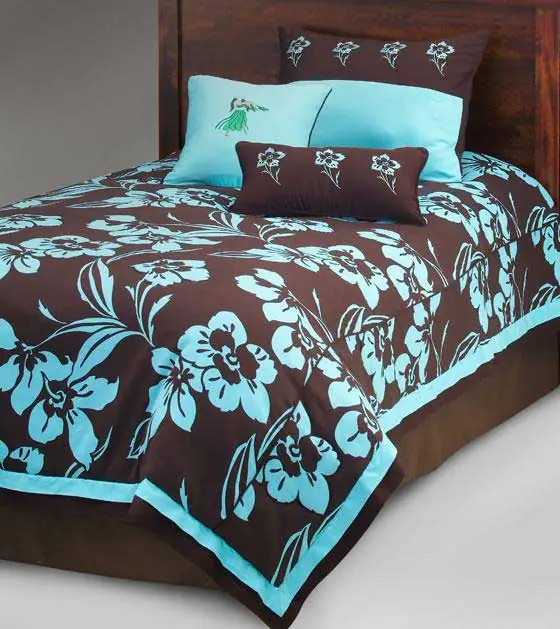

Build the bed around sleep habits, not display
A layered bed should still be easy to use. If decorative cushions are removed every night, keep the number realistic and provide somewhere for them to go. Hot sleepers may prefer breathable cotton or linen close to the body, while heavier quilts and throws can become removable seasonal layers rather than permanent weight.
Check care labels before mixing fabrics. Bedding that needs incompatible washing temperatures or special cleaning quickly becomes inconvenient, even when the colours and textures look coordinated.
How to use inspiration images
Save images for a specific reason rather than only because you like the overall room. Notice the proportion of furniture, the amount of contrast, the placement of lighting and how much open space is left around objects. Those relationships transfer more reliably to another home than copying individual products.
Before buying anything, compare the idea with your own dimensions, daylight and routines. Decoration becomes more coherent when every new piece solves an actual need or reinforces an existing visual direction.